For tabletop games and game night

Keep the dice on the table.

Build a tray, tower, or holder for your dice. Start with a real project and adapt the stock, size, and finish to your table.

See the real projects

Start from a blank workpiece

Design your own dice tray

Watch a dice tray designed from scratch in Easel: draw the outline, pocket the rolling area and dice slots, set the depths, then cut the outside profile.

Recorded in the Easel editor, playing at 7× real speed.

Real builds from the Easel gallery

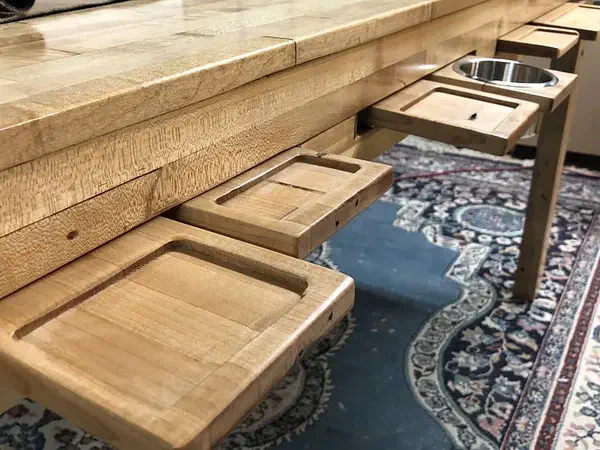
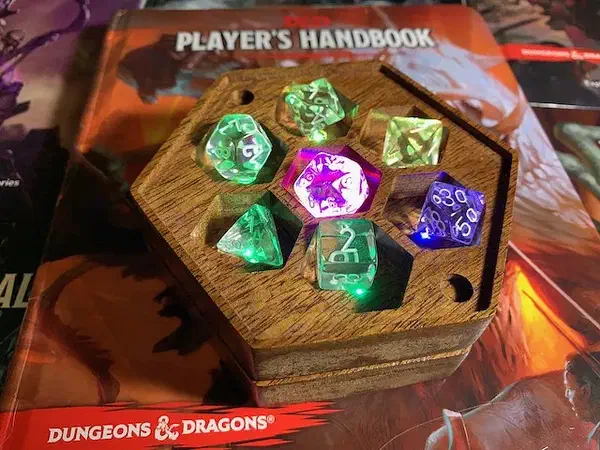
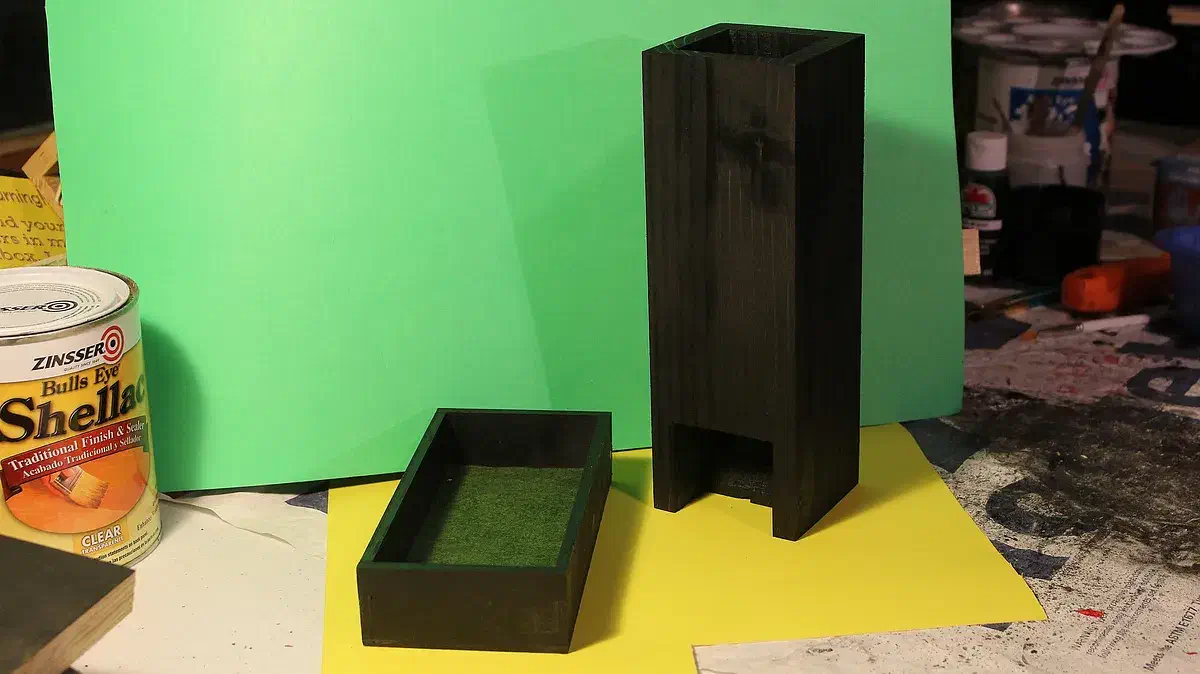
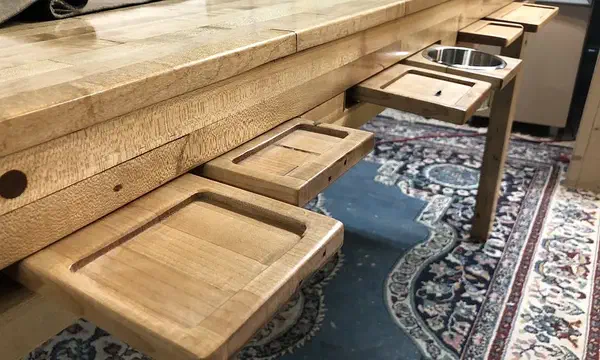
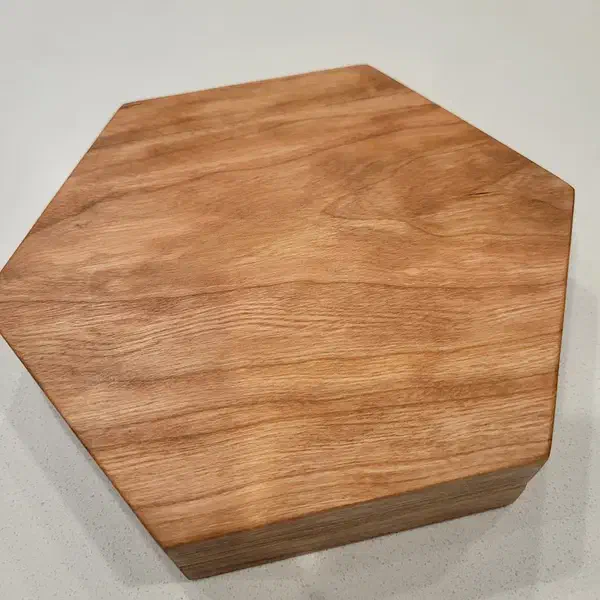
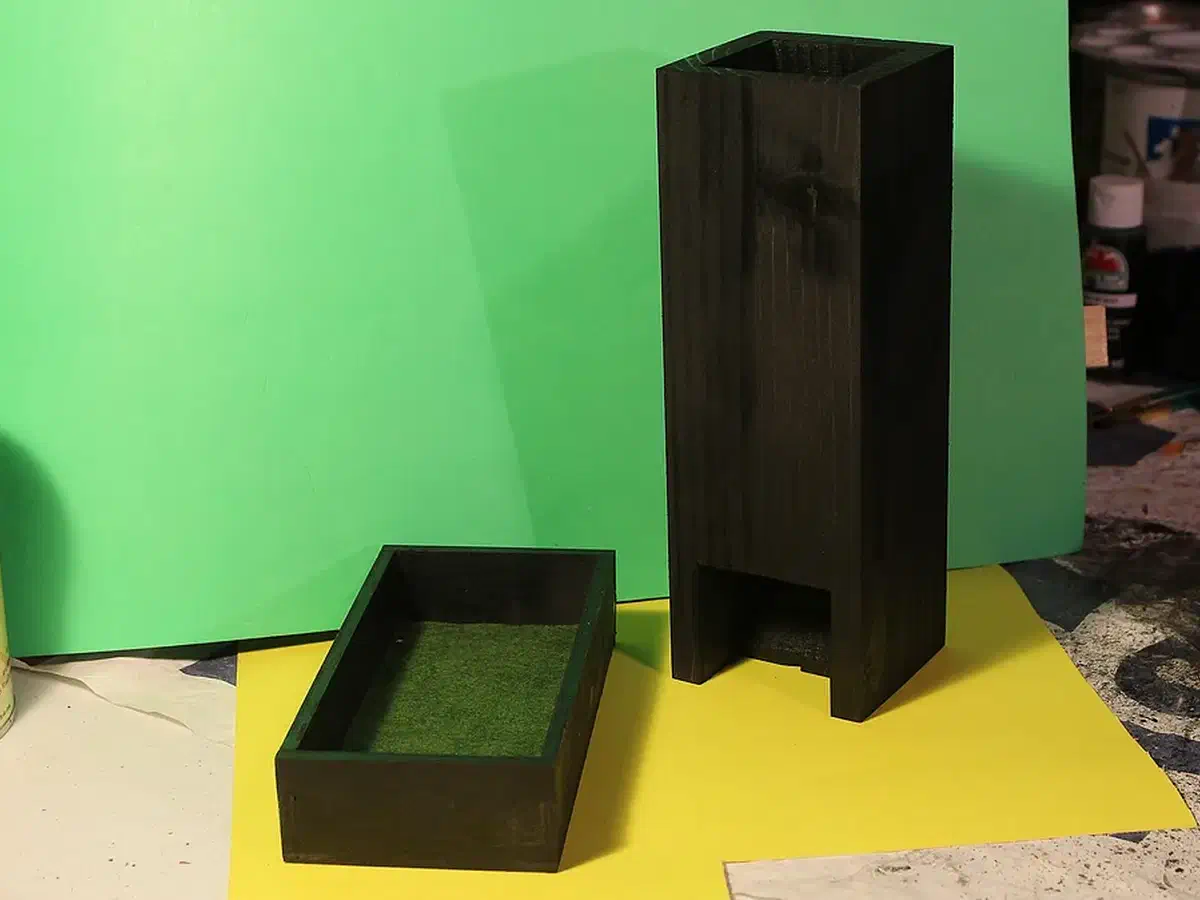
Roll through a tower, add table-edge trays, or hold a dice set

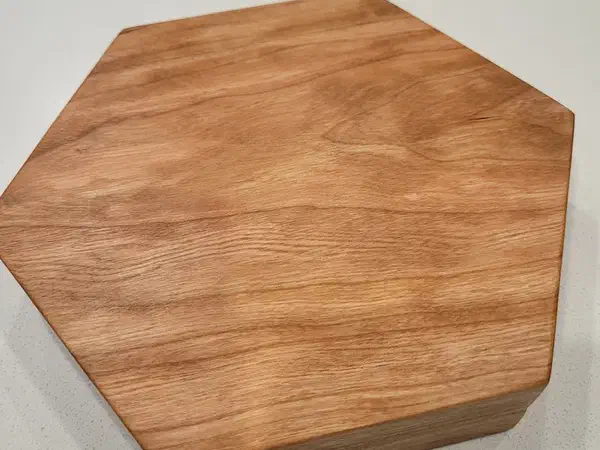
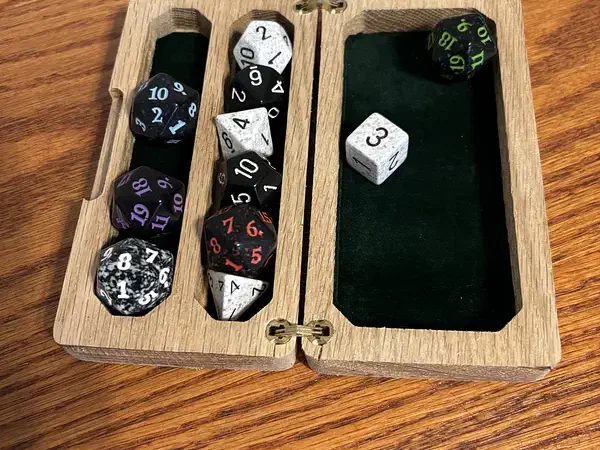
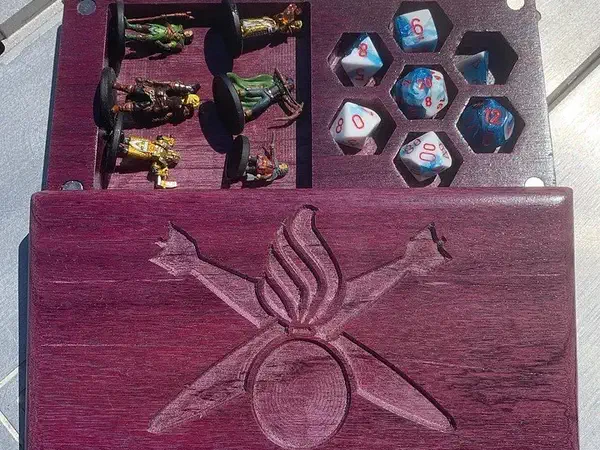
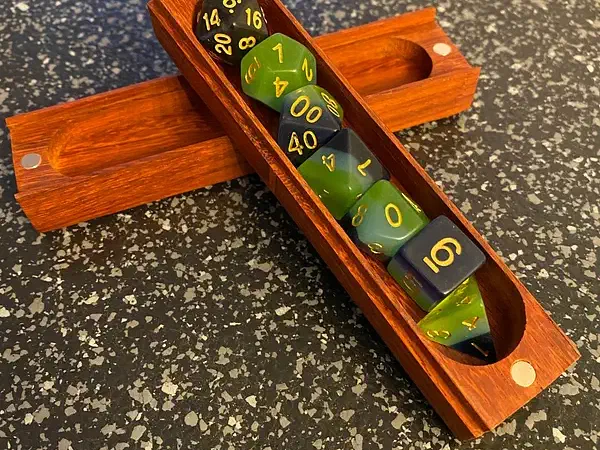
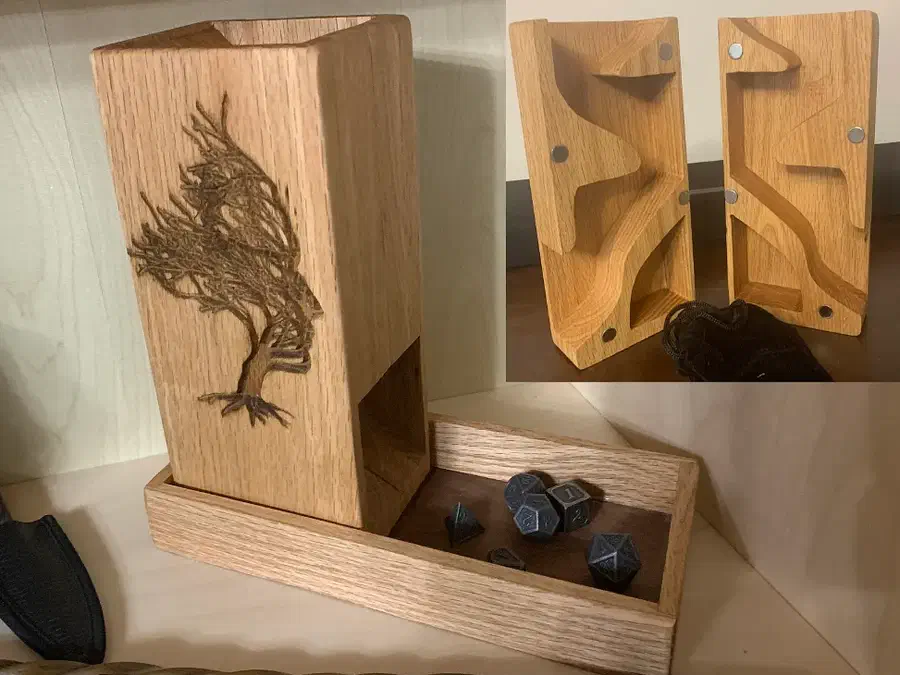
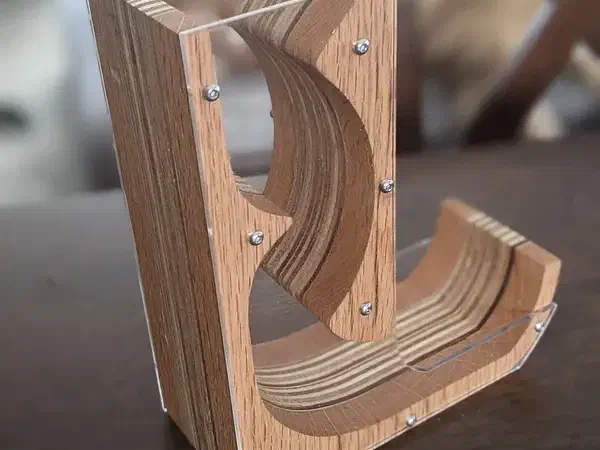
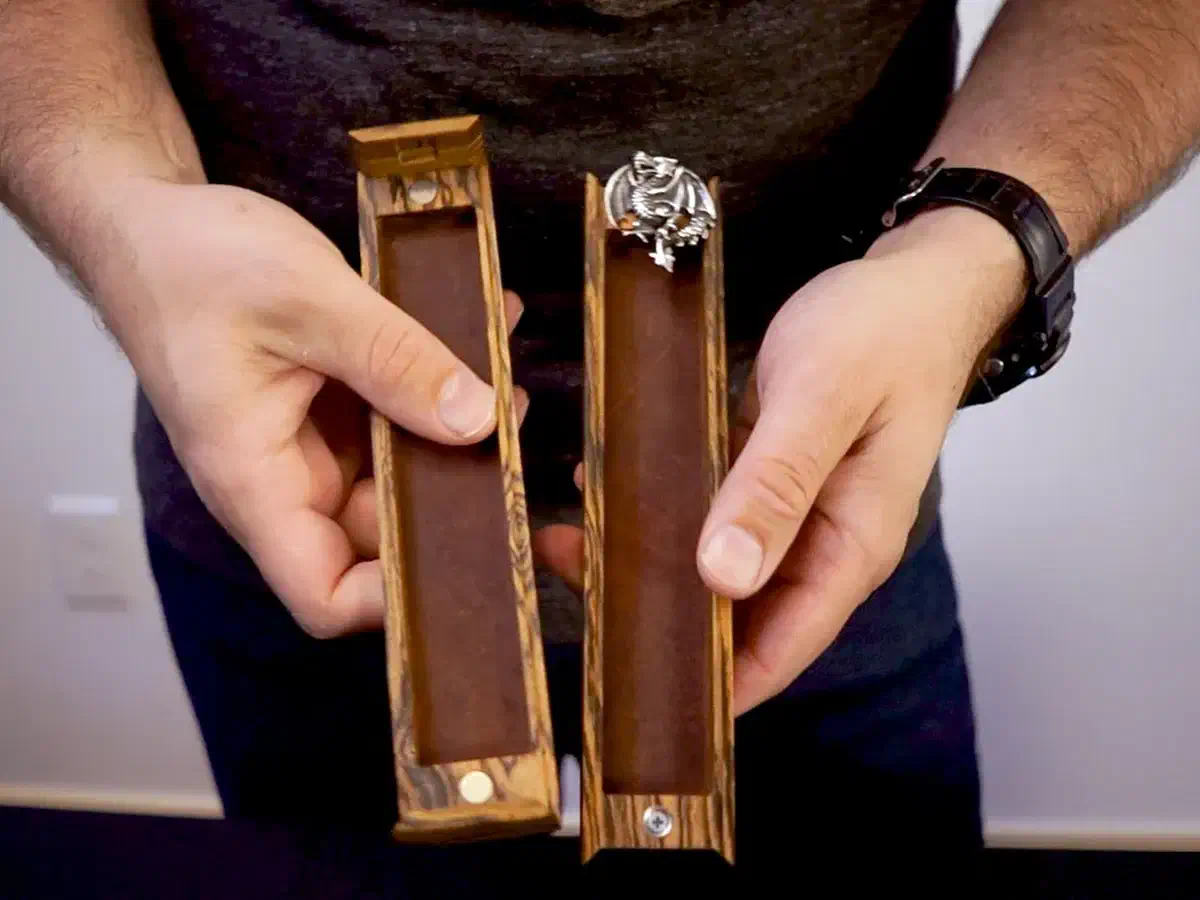
Compare open landing trays, fitted storage cases, removable tower halves and layered dice paths. Each example links to its maker's project and a shared Easel preview; the cards explain what to copy and what to build separately.

See more dice projects in gallery search →

From the makers’ comments and project notes

Details to use in your own dice trays build

Read the project comments without an account. Log in to post a question in the project discussion; replies are not guaranteed.

Count the recess in both halves of a closed dice box

Ken Howard explains that his original box has a half-inch recess in each half, giving an inch of space when it closes. The lid contributes to the clearance as well as the base. Compare that combined space with your dice and any lining before changing the pocket depths in your own version.

Comment by Ken Howard: read the source.

From RPG Dice Box by Ken Howard.

Ask a question

Paint the dice channel before gluing the tower halves

Paul J. Bennett paints the inside edges of the dice path while the tower halves are still separate. He then glues the halves together and finishes the outside. Do the inside work while the channel is easy to reach, rather than trying to paint through the assembled tower.

Project notes by Paul J. Bennett: read the source.

From DIY Gamer's Dice Tower and Tray by Paul J. Bennett.

Ask a question

Make a tray for your game table

Open a project preview, check its stock and toolpaths, then adapt the layout in Easel. Create a free Easel account when you are ready to save a copy and prepare your own cut. No credit card is required.